Generation 3 Reference Standard Solar Radiation Shield for Temperature Sensors

Cutaway of the Gen 3 MeteoShield Pro with Vaisala HMP155 temperature sensor and additional temperature probe inside.

Cutaway of the Gen 3 MeteoShield Pro with Vaisala HMP155 temperature sensor and additional temperature probe inside.

Sometimes the best gets better, which is the case with the only helical solar radiation shield for weather station temperature sensors. Listening to feedback from its customers in Antarctica, the Death Valley, and the Sahara, BARANI DESIGN Technologies has brought the last few remaining improvements to the already class-leading helical MeteoShield® Professional.

This new 3rd generation (Gen 3) naturally ventilated solar radiation shield features improved reflected light control from snow-covered or solar-heated ground while maintaining the high air flow rates, which is the number one factor guaranteeing measurement quality. Additionally, solar-powered artificial fan ventilation is available for the rare, less than 0.5 m/s (1.1mph) wind conditions, where all naturally ventilated solar shields show some signs of solar heating.

While these improvements may seem subtle to the naked eye, their combined effect reduces the already class-leading measurement uncertainty in all weather conditions to below 0.1°C, far below even many fan-ventilated solar screen counterparts.

This August in Chicago, BARANI DESIGN Technologies will be exhibiting and looking for B2B partnerships for the USA, Canada, and Mexico markets at the Meteorological Technology World Expo North America. This B2B expo will be at the Stephens Convention Center in Chicago on August 31 and September 1, 2022.

BARANI DESIGN Technologies s. r. o.
Klincova 35
821 08 Bratislava, SLOVAKIA
tel: +421 948 067 125
sales@baranidesign.com

This press release can also be found at: https://www.openpr.com/news/2693549/gen-3-reference-standard-solar-radiation-shield-for-temperature
First time in history the MeteoHelix with MeteoRain record exact rainfall on the highest peak of the Carpathian mountain range

Gerlachovsky stit (Gerlachov Peak) provides an environment for biologists as the highest ground anywhere in Europe north of the Alps and is the highest peak of the whole 1,500 km (930 mi) long Carpathian mountain range. The pyramidal shape of this massif is marked by a huge cirque and is characterised by its impressive 2,000 m vertical rise from the valley floor below.

Sub-freezing temperature operation of MeteoRain rain gauge on Gerlachov Peak

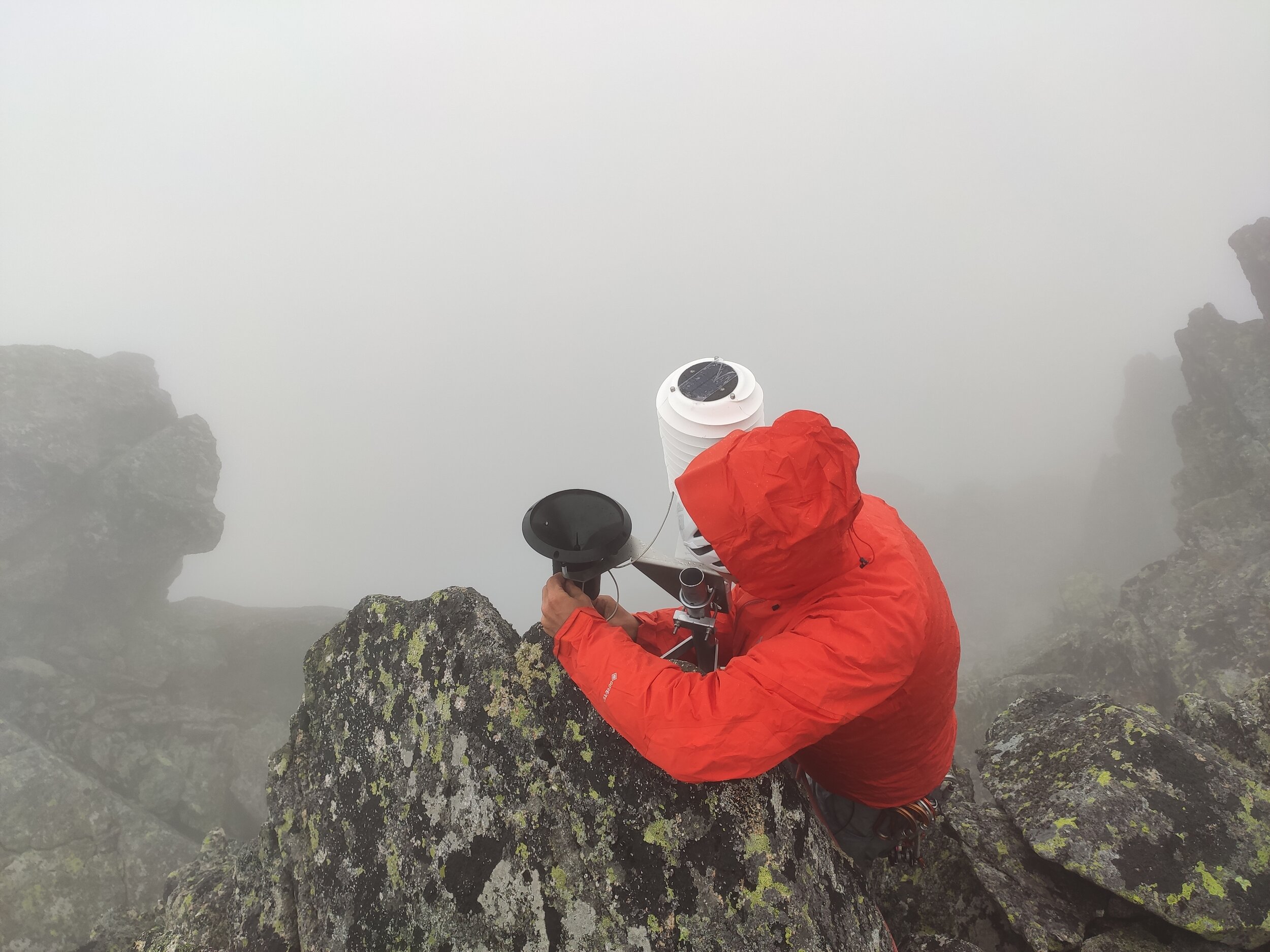
For the first time in history, on September 24, 2020, exact amounts of rainfall started being recorded on its summit by a BARANI DESIGN Technologies MeteoHelix weather station together with a new MeteoRain 200 Compact rain gauge. The compactness of these WMO precision instruments and ease of their installation enabled local mountain guides to install this weather station in a location that was inaccessible to weather station equipment even just 2 years ago. Able to survive and transmit weather data even from under large snow cover for up to 4 months, the highly survivable MeteoHelix weather stations are ideally suited for environmental research in hard to access locations.

An additional fact worth noting is the ability of the MeteoRain 200 Compact to measure rain even in below freezing temperatures as show in the plot below. Detailed live meteorological data from Gerlachov Peak can be found through the following link:

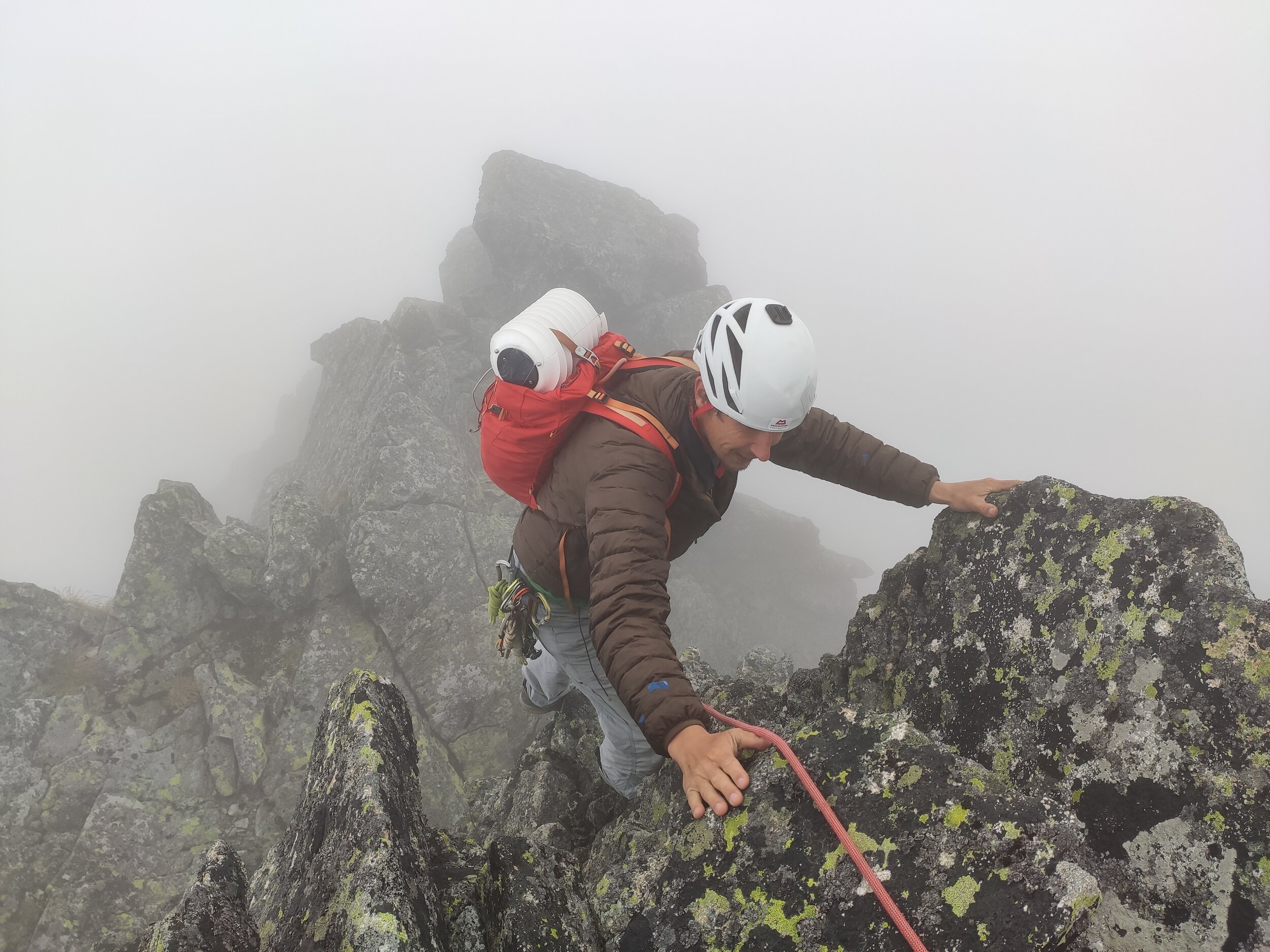
MeteoHelix weather station being transported on the back of a mountain climber to the highest peak of the carpathian mountain range.

MeteoHelix weather station being transported on the back of a mountain climber to the highest peak of the carpathian mountain range.

MeteoHelix weather station above an abyss on Gerlachov peak in the Carpatian mountain rainge.

MeteoHelix weather station above an abyss on Gerlachov peak in the Carpatian mountain rainge.

Installation of a MeteoHelix weather station on the highest peak of the Carpathian mountain range, the Gerlachov Peak.

Installation of a MeteoHelix weather station on the highest peak of the Carpathian mountain range, the Gerlachov Peak.

Stockholm, the Smart-City, sees installation of MeteoHelix micro-weather stations on street lamps

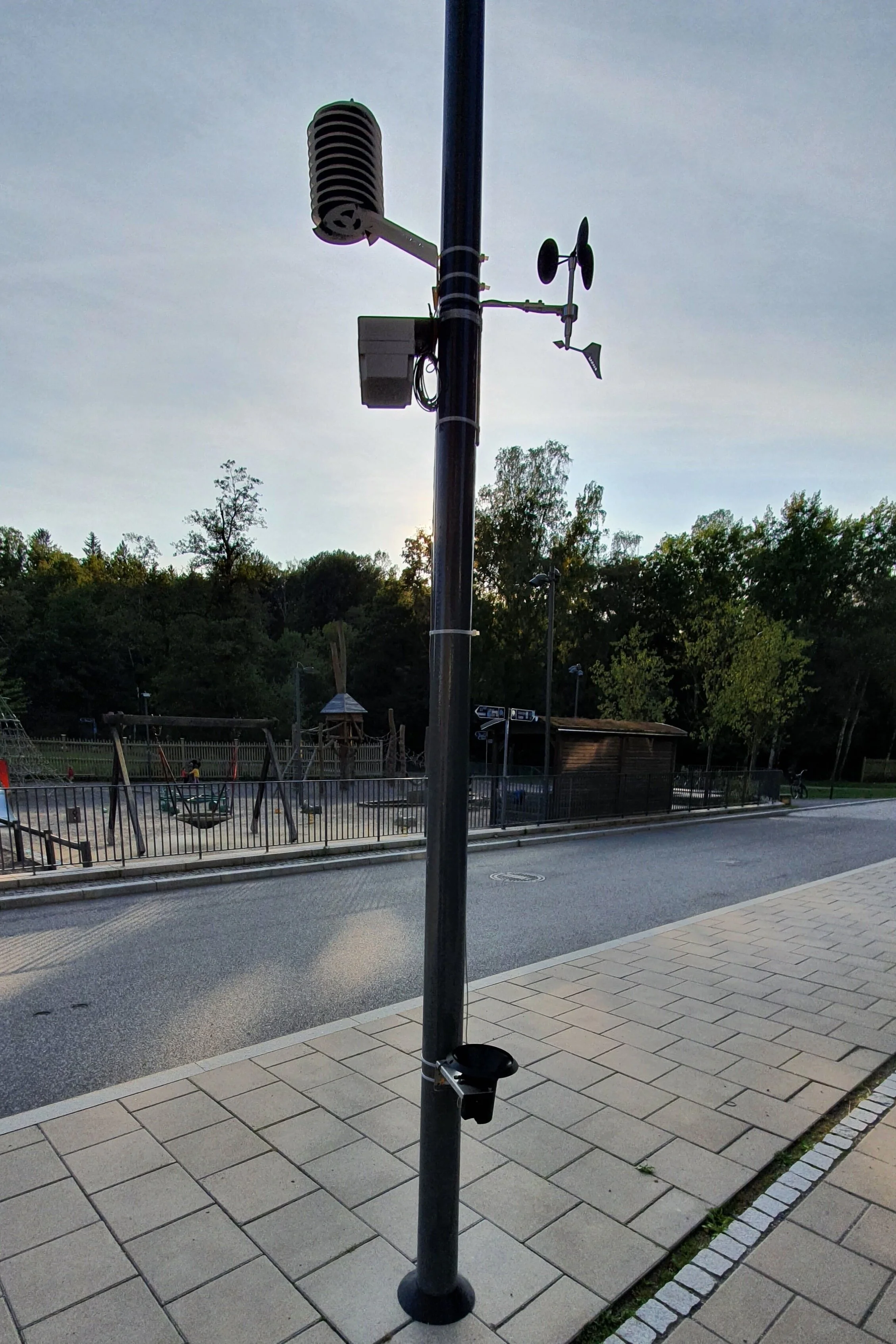
Urban Weather Station - MeteoHelix in Stockholm Sweden

Urban Weather Station - MeteoHelix in Stockholm Sweden

SensCity, one of the pioneers of Smart-City and Resilient-City climate monitoring has chosen to work with the highest quality urban climate monitoring sensors the market has to offer. Choosing to install the BARANI DESIGN MeteoHelix IoT Pro, MeteoWind IoT Pro and MeteoRain sensors for urban climate monitoring in Stockholm, Sweden on street lamps was by no means a coincidence.

Based on World Meteorological Organization (WMO) verified technologies in combination with IoT wireless data transmission, these sensors not only offer the highest levels of precision but also unparalleled ease of installation. Being solar powered and requiring no wires to connect, their installations on busy urban streets are quick and thus cost-effective.

Other sensors in use by SensCity include the MeteoAG which offers the expanded capability for agricultural monitoring of soil moisture, soil temperature, and leaf wetness.

More information on WMO conforming urban and agricultural weather station packages can be found at the following link: